Tokyo: A 7-Day Neighborhood & Cultural Exploration Guide

Seven days of cultural discovery, historic neighborhoods, modern cityscapes, and excursions beyond Tokyo.

Day 1: Chiyoda, Ginza, Akihabara & Roppongi
The Vibe & Concept
Tokyo's contrasts reveal themselves immediately, from the historic grounds of the Imperial Palace to Ginza's polished shopping avenues, Akihabara's electric pop-culture scene, and Roppongi's international nightlife. This introductory route offers a broad perspective on the capital, balancing imperial history, contemporary Japanese subcultures, and an energetic evening atmosphere without committing the entire arrival day to sightseeing.
Strategic Flow
Arrival & Orientation: After checking into your hotel or dropping off luggage, take the train toward Ginza and Chiyoda. Explore the surrounding streets and familiarize yourself with Tokyo's efficient railway system.
Imperial Heritage: Visit the gardens surrounding the Imperial Palace, particularly the Imperial Palace East Gardens if time and opening schedules permit. Discover remnants of Edo Castle, defensive stone walls, and landscaped grounds that reflect Tokyo's transformation from a feudal capital into a modern metropolis.
Afternoon Pop Culture: Continue to Akihabara (Electric Town), a center of Japanese gaming, manga, anime, electronics, and specialty shops. Explore multistory arcades, collectibles, and the neighborhood's distinctive adult-oriented retail establishments.
Evening Dining: Travel to Roppongi for dinner and drinks. Known for its international restaurants, bars, and nightlife, Roppongi provides an energetic introduction to Tokyo after dark.
Essential Tips
Arrival Flexibility: Keep this day adaptable to your flight arrival time and energy levels. Prioritize the Imperial Palace area and Akihabara if time is limited.
Imperial Palace Access: The East Gardens are generally closed Mondays and Fridays, with additional seasonal exceptions. The inner palace grounds are not freely accessible.
Akihabara Shopping: Many shops open around 10:00–11:00 AM, making the neighborhood better suited to afternoon exploration.
Roppongi Navigation: Roppongi Station and Roppongi-itchome Station serve different railway lines. Check which station is closest to your dinner destination.

Day 2: Tsukiji, Hamarikyu, Harajuku, Omotesando & Shibuya
The Vibe & Concept
This route moves from Tokyo's historic seafood market culture and traditional landscaped gardens into the spiritual sanctuary of Meiji Jingu, the expressive youth culture of Harajuku, and the architectural sophistication of Omotesando. The day culminates in Shibuya, one of Tokyo's most recognizable urban centers, where illuminated advertisements and crowds create an entirely different atmosphere from the quiet forest encountered earlier.
Strategic Flow
Morning Market Culture: Begin with breakfast at Tsukiji Outer Market, sampling fresh seafood, tamagoyaki, and other traditional Japanese foods. Although the wholesale fish market relocated to Toyosu, Tsukiji remains an active destination for culinary exploration.
Garden Respite: Walk to Hamarikyu Gardens, a historic landscape garden overlooking Tokyo Bay. Its tidal pond, traditional teahouse, and carefully maintained grounds provide a peaceful transition from the surrounding city.
Forest Sanctuary: Take the train toward Harajuku and enter Meiji Jingu through the wooded approach near Harajuku Station. Dedicated to Emperor Meiji and Empress Shoken, the Shinto shrine is surrounded by an expansive planted forest.
Harajuku Culture Walk: Continue toward Takeshita Street, known for colorful street fashion, boutiques, character merchandise, and elaborate sweet treats. Stop for crepes or visit a themed café, depending on availability.
Cultural Detour: Visit Togo Shrine, a Shinto shrine dedicated to Admiral Heihachiro Togo, tucked just beyond the bustle of Takeshita Street.
Omotesando Architecture: Walk along Omotesando Avenue toward Omotesando Hills, an upscale shopping complex designed by architect Tadao Ando.
Art & Gardens: Continue to the Nezu Museum, celebrated for its collection of premodern Japanese and East Asian art and its landscaped garden.
Evening in Shibuya: Finish at Shibuya Crossing, experiencing the famous intersection as the surrounding district illuminates. Enjoy dinner at Shibuya Gyoza before returning to your hotel.
Essential Tips
Market Timing: Visit Tsukiji early in the morning. Many vendors close by early afternoon, although individual businesses have different operating schedules.
Shrine Etiquette: At Meiji Jingu, observe purification customs where facilities are available, remain respectful near worship areas, stay on the indicated paths, and follow posted photography restrictions.
Walking Distance: Harajuku, Omotesando, the Nezu Museum, and Shibuya form a logical walking route, although the full day involves substantial walking. Taxis, bus, rickshaws, and the metro all provide ample alternate transportation options.
Museum Scheduling: The Nezu Museum is generally closed Mondays, with exceptions and exhibition-related closures. Check its calendar before visiting.
Café Planning: Confirm the current location and operating status of any themed café you specifically want to visit; Tokyo's themed establishments can change locations or close.

Day 3: Shibakoen, Ueno, Asakusa & Shinjuku
The Vibe & Concept
One of the most culturally varied days in Tokyo, this route combines Buddhist heritage, iconic modern architecture, urban green spaces, traditional merchant districts, and the capital's vibrant nightlife. Beginning beneath Tokyo Tower and ending among Shinjuku's narrow lantern-lit alleys, the day highlights the remarkable variety of experiences accessible through Tokyo's railway network.
Strategic Flow
Morning in Shibakoen: Begin with breakfast in the Shibakoen district, an area known for its historic temple grounds, parkland, and views of Tokyo Tower.
Buddhist Heritage: Explore Zojo-ji Temple, the historic head temple of the Jodo school of Buddhism in the Kanto region. Its association with the Tokugawa shogunate and proximity to Tokyo Tower create a striking contrast between Edo-period history and modern Tokyo.
Tokyo Tower: Walk toward Tokyo Tower, the city's iconic red-and-white communications and observation tower. Admire its architecture from the surrounding grounds or visit an observation deck if time permits.
Afternoon in Ueno: Travel by train to Ueno, visiting Ueno Zoo and the surrounding Ueno Park. The park contains museums, shrines, historic monuments, and landscaped spaces that reflect Tokyo's cultural development.
Asakusa Heritage: Continue to Senso-ji Temple, Tokyo's oldest established Buddhist temple. Enter through the Kaminarimon Gate and explore Nakamise-dori, the historic shopping approach lined with traditional snacks, souvenirs, and crafts.
Tokyo Skytree Views: From the Asakusa area, enjoy views of Tokyo Skytree, particularly along the Sumida River, where the tower rises above the surrounding cityscape.
Evening in Shinjuku: Take the train to Shinjuku and explore Omoide Yokocho, a network of narrow alleyways filled with compact restaurants and yakitori counters.
Golden Gai & Kabukicho: Continue to Golden Gai for its atmospheric collection of tiny bars, then explore the neon-lit streets of Kabukicho, Tokyo's best-known entertainment and red-light district. Look for the famous Godzilla Head emerging above the Shinjuku Toho Building.
Essential Tips
A Full Itinerary: This is your most demanding Tokyo sightseeing day. Start early and anticipate multiple train transfers.
Ueno Zoo Hours: The zoo generally opens at 9:30 AM and closes at 5:00 PM, with last admission at 4:00 PM. It is usually closed Mondays, subject to exceptions. As of 2026, the zoo no longer hosts giant pandas.
Senso-ji Timing: The temple grounds remain accessible outside the main hall's opening hours, but the main hall typically closes at 5:00 PM. Nakamise shops also close progressively toward evening.
Shinjuku Navigation: Omoide Yokocho sits near the station's West Exit, while Golden Gai and Kabukicho are on the eastern side. Allow time to cross between these areas.
Nightlife Etiquette: Golden Gai bars may charge seating fees, have limited capacity, or cater primarily to regular customers. Check posted policies before entering.

Day 4: Kamakura — Coastal Heritage & The Great Buddha
The Vibe & Concept
Leave Tokyo's dense urban environment behind for the historic coastal city of Kamakura, once the political center of Japan's first shogunate. Surrounded by wooded hills and the waters of Sagami Bay, Kamakura is renowned for its Buddhist temples, Shinto shrines, traditional streets, and monumental religious sculpture. This excursion offers an opportunity to explore a different chapter of Japanese history while remaining within day-trip distance of Tokyo.
Strategic Flow
Morning Departure: Enjoy breakfast at your hotel before taking the train south toward Kamakura. Depending on your departure station and route, the journey generally takes approximately one hour to ninety minutes.
Historic Kamakura: Arrive in the city and explore its historic streets, local shops, and traditional atmosphere. The compact historic center offers a contrast to Tokyo's modern commercial districts.
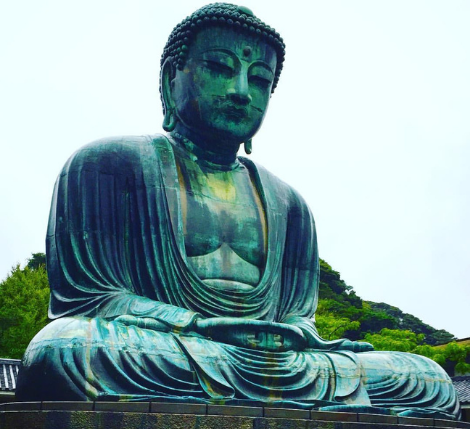
The Great Buddha: Visit Kotoku-in Temple, home to the famous Great Buddha of Kamakura (Kamakura Daibutsu). This monumental bronze representation of Amida Buddha dates to the thirteenth century and is one of Japan's most recognizable Buddhist sculptures.
Afternoon Exploration: Spend additional time wandering Kamakura's streets and temple surroundings, allowing flexibility for cultural stops and local dining.
Evening Return: Travel back to Tokyo, refresh at your hotel, and enjoy dinner before settling in for the evening.
Essential Tips
Train Planning: The JR Yokosuka Line and Shonan-Shinjuku Line provide convenient connections to Kamakura from different parts of Tokyo.
Great Buddha Access: Kotoku-in is closer to Hase Station on the Enoden Railway than to central Kamakura Station. You can also reach it by bus or on foot.
Temple Etiquette: Respect posted photography restrictions and avoid entering areas designated for religious activities or private ceremonies.
Flexible Pacing: Kamakura contains many temples and shrines, but this itinerary prioritizes the Great Buddha and general exploration rather than an exhausting checklist.
Day 5: Hakone — Volcanic Landscapes, Owakudani & Lake Ashi
The Vibe & Concept
Hakone offers an entirely different perspective on Japan, replacing Tokyo's skyscrapers with mountainous landscapes, volcanic activity, forested slopes, and expansive lake scenery. Part of the Fuji-Hakone-Izu National Park region, Hakone is known for its geothermal environment, traditional hot spring culture, and views of Mount Fuji when weather conditions permit. This excursion centers on two of the area's most distinctive experiences: the volcanic valley of Owakudani and the waters of Lake Ashi.
Strategic Flow
Morning Departure: Enjoy breakfast at your hotel before traveling to Hakone. One convenient route is the Odakyu Romancecar from Shinjuku to Hakone-Yumoto, although alternative rail connections are available.
Mountain Exploration: Continue into the Hakone mountain region using the local railway, cable car, and ropeway network as appropriate for your route.
Owakudani Volcanic Valley: Visit Owakudani, an active geothermal area known for sulfurous steam vents and volcanic scenery. Sample the famous kuro-tamago, eggs cooked in naturally heated hot spring water that turn their shells black.
Lake Ashi: Continue toward Lake Ashi (Ashinoko), a scenic crater lake surrounded by wooded mountains. Enjoy the lakeside landscape and, if conditions allow, views of Mount Fuji.
Evening Return: Return to Tokyo, refresh at your hotel, and enjoy a relaxed dinner after the day's excursion.
Essential Tips
Hakone Freepass: The pass covers specified transportation within the Hakone area and, depending on the version purchased, round-trip Odakyu travel from Shinjuku. The Romancecar limited-express surcharge is separate.
Volcanic Conditions: Owakudani access and ropeway services may be restricted because of volcanic gases, weather, or maintenance.
Black Egg Tradition: Local folklore claims that eating one black egg adds seven years to your life. This is a cultural legend rather than a scientific claim.
Mount Fuji Visibility: Clear mornings often provide better viewing conditions, but visibility is weather-dependent and never guaranteed.
Travel Time: Allow a full day for Hakone. Transportation between individual attractions can take longer than expected, particularly during weekends and holidays.
Must Try: Hakone black ice cream, a unique vanilla soft-serve infused with bamboo charcoal.

Day 6: Onsen Culture & Optional Chiba Exploration
The Vibe & Concept
After several days of extensive sightseeing and regional excursions, this day offers an opportunity to slow down and experience Japan at a more relaxed pace. Traditional Japanese bathing culture provides an introduction to everyday customs surrounding cleanliness, communal spaces, and relaxation. Depending on personal interests and available time, the day may also include an excursion into neighboring Chiba Prefecture. Unlike the previous days, this itinerary remains intentionally flexible. Go back, delve further into your favorite attractions. Take time to unwind and embrace the art of "doing nothing", finding intentional stillness in the bustle around you. This is likely your last full day in the city and should be treated as either a "catch all" day or one to simply soak in the wonder of Japan.
Strategic Flow
Morning Relaxation: Begin with a leisurely breakfast before visiting a traditional Japanese onsen or sento, depending on the bathing experience available near your accommodation.
Japanese Bathing Culture: Experience the customs of communal bathing, including washing thoroughly before entering shared baths and observing the quiet, respectful atmosphere.
Optional Chiba Excursion: If you prefer additional exploration, consider traveling into Chiba Prefecture, east of Tokyo. The region offers coastal landscapes, historic towns, and cultural attractions, although a specific route has not yet been selected.
Evening at Leisure: Return to your hotel for a relaxed evening, dinner, and preparations for the following day's departure.
Essential Tips
Onsen vs. Sento: An onsen uses water that meets Japan's legal hot spring criteria, while a sento is a public bathhouse that generally uses heated tap water.
Bathing Etiquette: Wash and rinse before entering communal baths. Swimwear is generally not permitted in traditional bathing areas unless the establishment specifies otherwise and will designate gender-specific areas.
Tattoo Policies: Some facilities restrict tattoos, while others welcome tattooed visitors or provide private bathing options. Check individual policies in advance.
Chiba Planning: Chiba Prefecture is geographically extensive. Select a specific destination before committing to an excursion, as travel times vary considerably.

Day 7: Departure from Tokyo
The Vibe & Concept
The final morning is reserved for a relaxed departure, allowing time to enjoy breakfast, organize luggage, and navigate Tokyo's transportation network without unnecessary pressure. After a week of imperial gardens, historic shrines, lively commercial districts, and excursions into Japan's surrounding landscapes, the journey concludes with a final glimpse of the capital.
Strategic Flow
Morning Breakfast: Enjoy breakfast at your hotel or a nearby café, depending on your departure schedule.
Hotel Checkout: Complete checkout, organize luggage, and confirm that all personal belongings and travel documents are accounted for.
Airport Transfer: Travel to Haneda Airport or Narita International Airport, depending on your scheduled flight and departure terminal.
Essential Tips
Airport Distances: Haneda is generally closer to central Tokyo, while Narita requires a longer journey. Allow sufficient time for the appropriate rail or airport transfer service.
Departure Planning: Confirm airline check-in requirements, transportation schedules, and the correct airport terminal in advance.
Luggage Considerations: Large suitcases may require designated storage areas or advance reservations on certain train services.
Final Preparations: Keep passports, travel documents, medications, and essential electronics in your carry-on luggage.
Plan smarter. Travel deeper.


Comments