The Ultimate Cambodia Travel Guide: Cultural Etiquette, Essentials & Insider Advice

From ancient Khmer temples to bustling local markets, discover how to navigate the Kingdom of Wonder with confidence, cultural awareness, and a little insider knowledge.
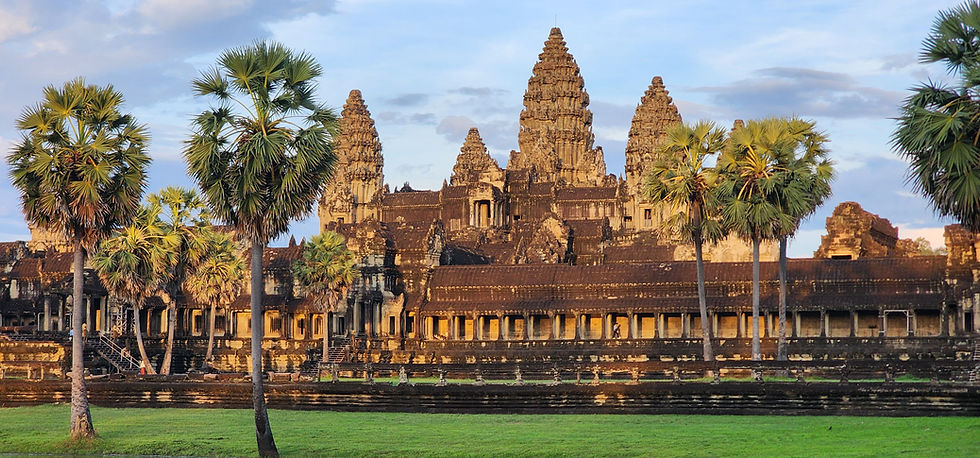
Cambodia is a country of extraordinary contrasts, where centuries-old stone temples emerge from dense tropical forests, saffron-robed monks walk alongside the rhythms of modern city life, and quiet rural communities preserve traditions passed down through generations.
From the monumental stone faces of Bayon and the atmospheric ruins of Angkor to the bustling night markets of Siem Reap and the tranquil riverbanks of Kampot, Cambodia offers far more than a conventional sightseeing holiday. It is a destination shaped by the grandeur of the Khmer Empire, the resilience of its people, and a cultural identity that remains deeply connected to religion, family, and tradition.
Yet Cambodia is also a country that rewards preparation. Understanding local customs, navigating transportation, managing currency, and recognizing the nuances of temple etiquette can transform a trip from a series of sightseeing stops into a genuinely meaningful travel experience.
Whether you're preparing for your first visit or hoping to explore beyond the established tourist circuits, this guide covers the essential practicalities and cultural considerations for traveling through the Kingdom of Wonder.
1. Before You Go: Essential Travel Preparation
Visa & Entry Requirements
Cambodia welcomes international visitors, but entry requirements depend on nationality, arrival method, and intended length of stay.
Tourist Visas
Many international travelers, including US passport holders, require a tourist visa. Cambodia's standard tourist visa generally permits a stay of up to 30 days, with a single extension ordinarily available through the appropriate immigration process. When possible, it is always best to prepare your eVisa prior to arrival; however, as someone who has used their new and improved VoA process, it is a fairly simple and straightforward event.
Travelers can typically obtain their visa through one of two methods:
Electronic Visa (eVisa): Apply in advance through Cambodia's official government eVisa portal. This option helps reduce administrative procedures upon arrival, although eVisa acceptance varies by border crossing.
Visa on Arrival (VoA): Available to eligible nationalities at designated international airports and certain land borders. Travelers should confirm eligibility and the current payment requirements before departure.
Important: Cambodia also operates an electronic arrival system, known as Cambodia e-Arrival, for applicable arrivals by air. This is separate from the visa itself and should be completed within the government's prescribed submission window.
Travelers should consult the official Cambodia eVisa and Cambodia e-Arrival portals before departure.
Passport Requirements
Your passport should have at least six months of remaining validity upon entry, with sufficient blank pages for immigration processing. Always confirm current entry requirements before international travel, particularly when crossing into Cambodia overland from Thailand, Vietnam, or Laos. Border procedures, eligible visa types, and crossing availability can change.
Currency & Cash: Understanding Cambodia's Dual-Currency Economy
Cambodia has a distinctive monetary system in which the Cambodian riel (KHR) circulates alongside the US dollar.
Although the riel is the country's official currency, US dollars remain commonly used in tourism-related transactions, particularly at hotels, restaurants, and established businesses. However, the degree of dollar acceptance varies by location, and Cambodia has increasingly encouraged the use of its national currency.
What Travelers Should Know
Cambodian Riel: Particularly useful for markets, smaller restaurants, local transportation, street food, and everyday purchases.
US Dollars: Commonly accepted for larger purchases, popular markets, and tourism services.
Exchange Rates: Many businesses calculate prices using an approximate rate of 4,000 KHR to $1 USD, but actual rates fluctuate. Do not expect an exact conversion.
ATMs: Available in major towns and tourist centers, with some dispensing dollars, riel, or offering a currency selection.
Credit Cards: Increasingly accepted by hotels and established businesses, but cash remains essential for most vendors you will encounter.
A Note on US Banknotes
Cambodian businesses have historically been particular about the physical condition of US dollar bills. Torn, heavily marked, or damaged notes may be rejected, especially by smaller vendors. Although banking practices have evolved, travelers should still carry clean, undamaged bills and inspect any change received.
Climate: Choosing the Right Season
Cambodia experiences a tropical monsoon climate, with two broadly defined seasons.
Dry Season: November–April
The dry season generally offers more predictable weather, particularly between November and February when temperatures and humidity tend to be more comfortable.
This is also the country's principal tourism season. At Angkor, clearer skies and relatively manageable conditions make extensive temple exploration easier. However, popular sites can become crowded, particularly during major holidays and peak travel months. By March and April, temperatures can rise considerably, making it worthwhile to plan for early morning excursions.
Rainy Season: May–October
The monsoon season brings increased humidity, regular rainfall, and dramatic changes to Cambodia's landscape. Rice paddies become vivid green, waterways expand, and vegetation surrounds ancient temple ruins with an almost cinematic atmosphere. Rainfall often occurs in concentrated afternoon showers, although prolonged storms and flooding are possible. Travel during this season can be particularly rewarding for photographers and visitors seeking fewer crowds, provided they remain flexible with outdoor activities and transportation.
What to Pack
Cambodia's heat, humidity, uneven archaeological terrain, and cultural dress expectations make practical packing essential.
Lightweight linen or breathable cotton clothing
Comfortable walking shoes with reliable traction
Modest clothing covering shoulders and knees
Wide-brimmed hat and UV-protective sunglasses
High-SPF sunscreen and insect repellent
Compact umbrella or lightweight rain poncho
Refillable water bottle and oral rehydration supplies
Small crossbody bag or secure daypack
Portable power bank and offline navigation maps
For temple exploration, prioritize comfort over fashion. Ancient staircases, loose stones, uneven pathways, and exposed courtyards make sturdy footwear far more valuable than sandals with little support. Do not wear heels- just trust me on this.
Health, Water & Everyday Safety
Cambodia is a rewarding destination, but travelers should prepare for the realities of tropical travel:
Tap water should not be assumed safe for drinking. Choose sealed bottled water or properly treated drinking water, and use additional caution with ice and uncooked foods where hygiene is uncertain.
Mosquito-borne illnesses, including dengue, are a consideration throughout the country. Repellent, protective clothing, and appropriate accommodation precautions are important even outside the rainy season.
Before traveling, review routine immunizations and destination-specific recommendations with a qualified travel-health professional.
For transportation, use established operators, exercise caution on roads, and avoid assuming that traffic follows the same patterns or safety standards as those in your home country.
Travel insurance with medical coverage is strongly advisable, particularly when visiting rural destinations where access to advanced medical care may be limited.
2. Cultural Intelligence: Understanding Cambodian Etiquette
Cambodian society reflects a complex combination of Khmer traditions, Theravada Buddhist beliefs, historical influences, and deeply rooted social customs. Respect for elders, religious institutions, family relationships, and social harmony remains important in many communities. For visitors, understanding these cultural expectations is not simply a matter of avoiding offense. It provides insight into how Cambodian society functions and encourages more thoughtful interactions.
The Sampeah: More Than a Greeting
The traditional Cambodian greeting, known as the sampeah, involves pressing the palms together with a slight bow.
The height of the hands and depth of the bow traditionally communicate differing degrees of respect, influenced by age, status, and social context. A casual greeting between peers may involve hands held near the chest, while a more respectful greeting to an elder or religious figure may involve raising the hands higher.
Visitors are not expected to master every nuance, but a modest sampeah offered respectfully is generally appreciated.
A few Khmer expressions can also help establish goodwill:
Suosdei: Hello
Arkun: Thank you
Som toh: Excuse me or sorry
Chum reap suor: A formal, respectful greeting
Pronunciation and formality vary, so listening to local speakers is often the best approach.
Temple Etiquette: Respecting Living Sacred Spaces
Cambodia's temples are among its most celebrated attractions, but many remain active places of religious significance. Angkor Wat, for example, is not merely an archaeological monument. It continues to hold profound cultural and spiritual importance.
Dress Appropriately
Visitors should wear clothing covering shoulders and knees, particularly when entering active religious spaces and restricted sacred areas. Some areas enforce specific dress requirements, and access may be refused for inappropriate attire.
Respect Religious Imagery
Avoid touching sacred statues, climbing on fragile structures, or posing in ways that trivialize religious objects. Photography may be restricted in particular areas. Always observe posted guidance and ask permission when photographing religious ceremonies or worshippers. Do not photograph the monks without prior consent.
Mind Your Feet
In traditional Cambodian etiquette, the feet are regarded as the lowest part of the body and should not be directed toward Buddha images, monks, or elders. When sitting in a temple, tuck your legs to the side rather than extending them toward sacred objects.
Remove Shoes When Required
Shoes and hats are generally fine while visiting the main Angkor Wat park; however, they should be removed before entering certain active sanctuaries, homes, and other spaces where local custom requires it. Archaeological sites do not all follow identical rules, so observe signs and local behavior.
Respecting Buddhist Monks
Buddhist monks hold a respected position within Cambodian society.
Visitors should avoid interrupting religious activities or treating monks as photographic attractions.
Women should avoid physical contact with monks, including directly handing objects to them where monastic rules prohibit it.
When uncertain, allow the monk or a local guide to indicate the appropriate way to interact.
Social Harmony & the Importance of Saving Face
Cambodian social interactions often place considerable value on politeness, restraint, and avoiding unnecessary public confrontation.
Raising your voice, openly embarrassing someone, or reacting aggressively to a misunderstanding can undermine an otherwise straightforward interaction.
This is particularly relevant when negotiating prices, addressing service concerns, or communicating across language barriers.
A calm explanation, patience, and a respectful tone are generally more productive than confrontation.
A smile is often an expression of friendliness or social diplomacy, but it should not automatically be interpreted as agreement or understanding.
Photography & Responsible Cultural Encounters
Cambodia offers extraordinary photographic opportunities, from ancient architecture to colorful markets and rural landscapes.
However, photographing people requires consideration.
Always seek permission before taking identifiable portraits, particularly of monks, children, market vendors, and people engaged in religious activities.
Avoid intrusive photography during ceremonies or in communities experiencing hardship.
Children should never be treated as photographic props, and travelers should be especially cautious about commercial experiences that exploit vulnerable populations.
Responsible travel begins with recognizing that the people and communities encountered are not simply elements of a destination's visual appeal.
3. Exploring Cambodia: Group Tours, Private Drivers & Local Guides
One of the most important decisions when visiting Cambodia, particularly the Angkor Archaeological Park, is how to structure transportation and sightseeing. The most common options include organized group tours, private tuk-tuk drivers, private vehicles, and licensed local guides. Each has distinct advantages depending on budget, comfort, travel style, and personal interests.
Large Group Tours: Convenience & Structure
Organized group tours can be particularly useful for first-time visitors who prefer predictable schedules and coordinated logistics. Transportation, sightseeing stops, and sometimes entrance tickets or guiding services may be arranged in advance.
Advantages
Established itineraries requiring minimal independent planning
Opportunities to meet other travelers
Potentially economical shared transportation
Access to knowledgeable guides when included
Convenient logistics for travelers unfamiliar with the region
Limitations
Fixed departure times and predetermined routes
Limited flexibility for photography or extended exploration
Guaranteed congestion when multiple groups arrive simultaneously
Less opportunity to modify the itinerary around weather or personal interests
Not all group tours are identical. Small-group experiences with experienced local guides can provide exceptional historical interpretation and a more personal experience than larger coach excursions.
Private Tuk-Tuk Drivers: Flexibility & Local Knowledge
For travelers who value independence, hiring a private tuk-tuk driver can be one of the most rewarding ways to explore Siem Reap and the surrounding archaeological sites. A dedicated driver provides transportation between temples while allowing greater control over the day's schedule. Rather than adhering to a predetermined group itinerary, travelers can adjust departure times, prioritize particular sites, and incorporate breaks based on personal preference.
Why a Private Driver Can Be Worthwhile
1. More Control Over Your Schedule
An early departure can help you experience major temples before the most intense heat.
Likewise, a flexible itinerary allows you to remain longer at particularly interesting sites rather than leaving simply because the group schedule demands it.
2. Strategic Temple Navigation
The Angkor complex covers an extensive area, and certain temples have multiple access points. Experienced drivers may coordinate drop-offs and pickups to minimize unnecessary backtracking, recommend alternate routes based on expected tourism traffic, and recommend alternate, less well-known temples for those wanting to go off-the-beaten path. For example, depending on current access arrangements, visitors exploring Ta Prohm or Banteay Kdei may be able to arrange collection near a different entrance or exit.
3. Opportunities for Local Recommendations
A local driver may introduce you to restaurants, roadside stalls, or less-publicized stops that would otherwise be overlooked. These recommendations can add welcome variety to days dominated by archaeological sightseeing.
4. Direct Economic Participation
Hiring an independent local driver provides an opportunity to direct tourism spending toward a locally operated service. However, economic benefits vary depending on whether the driver works independently, through an agency, or under another commercial arrangement.
A Driver Is Not Necessarily a Guide
An important distinction often overlooked in travel planning is the difference between transportation and professional historical interpretation. A tuk-tuk driver may possess considerable practical knowledge about the region, but this does not automatically qualify them as a licensed archaeological guide. For visitors interested in Khmer history, temple iconography, Hindu-Buddhist religious transitions, and the architectural development of Angkor, hiring a licensed local guide can provide substantial additional value.
The ideal combination for history-focused travelers is often a private driver for transportation and a licensed guide for selected archaeological sites.
This approach balances independence with meaningful historical context.
What Should a Private Tuk-Tuk Cost?
For common Angkor sightseeing circuits, a private tuk-tuk may cost approximately $20–$35 USD per day, although this is an indicative planning range rather than a guaranteed current rate. Prices depend on route length, duration, seasonal demand, sunrise departures, and additional stops, and are decided upon prior to departing. Longer excursions to destinations such as Banteay Srei or more distant temples may cost substantially more.
Before departure, confirm the total price, included stops, pickup arrangements, waiting time, and any additional charges. Save your driver's contact details using WhatsApp or Telegram, where available, and confirm how you will reconnect after visiting larger temples.
Destination Loading Travel Tip: When arranging transportation, communicate your priorities rather than simply requesting the standard temple circuit. Explain whether you are most interested in photography, architecture, religious history, quieter locations, or relaxed sightseeing. A well-informed driver can help tailor the route accordingly.
4. Angkor Beyond the Postcard: Understanding What You're Seeing
The temples of Angkor are frequently presented as a collection of spectacular ruins, but they represent something far more significant: the political, religious, and architectural achievements of one of Southeast Asia's most influential historical civilizations.
The Khmer Empire, conventionally dated from 802 to 1431 CE, developed an extensive network of urban centers, reservoirs, canals, roads, and religious monuments. Angkor was not simply a ceremonial temple complex. It formed part of a vast inhabited landscape supported by sophisticated systems of water management and agricultural production. Understanding this historical context changes how visitors experience the archaeological park.
Angkor Wat: A Monument to Kingship & Cosmology
Constructed in the early 12th century under King Suryavarman II, Angkor Wat was originally dedicated to Vishnu and later became an important Buddhist religious site. Its architectural layout reflects Hindu cosmological concepts, including the symbolic representation of Mount Meru, the sacred center of the universe.
Beyond its recognizable towers, the temple contains extensive bas-reliefs depicting mythological narratives, royal processions, and scenes associated with Hindu epics. Visitors who move beyond the central photographic viewpoints can discover remarkable details in the surrounding galleries.
Bayon: The Faces of Angkor Thom
Located within the fortified city of Angkor Thom, Bayon is celebrated for its monumental towers bearing serene carved faces. Built during the reign of Jayavarman VII in the late 12th and early 13th centuries, the temple reflects the king's Buddhist religious program. The precise identification of the faces remains debated, with interpretations involving the bodhisattva Avalokiteshvara and representations associated with royal authority. Bayon's galleries also depict scenes of everyday life, military activity, and social interactions, providing valuable visual evidence of the Khmer world.
Ta Prohm: Architecture Reclaimed by Nature
Ta Prohm offers a striking contrast to the more formally restored sections of Angkor.
Constructed under Jayavarman VII, the temple was originally associated with a Buddhist monastic complex. Today, enormous tree roots intertwine with stone galleries and walls, creating one of Cambodia's most recognizable archaeological landscapes. Although the vegetation produces dramatic photographs, it also presents ongoing conservation challenges. The site's present appearance reflects deliberate preservation and stabilization decisions rather than simple abandonment to nature.
A deeper appreciation of Angkor begins by recognizing that its temples are not isolated monuments, but surviving components of a sophisticated historical civilization.
5. Designing a Smarter Cambodia Itinerary
The greatest challenge when planning a Cambodia itinerary is not a shortage of attractions. It is deciding how to balance historical exploration, cultural experiences, transportation, and the country's tropical climate.
Many travelers underestimate the physical demands of temple sightseeing. Even relatively short distances can become exhausting when combined with high temperatures, humidity, steep staircases, and uneven stone pathways. A carefully structured itinerary can make a substantial difference.
Avoid Temple Fatigue
Angkor contains far more temples than most visitors can meaningfully explore during a short stay. Rather than attempting to visit eight or ten sites in one day, prioritize two or three major temples and supplement them with smaller stops when time and energy allow. This provides space to appreciate architectural details, examine carvings, and explore without feeling rushed. A thoughtful visit to one temple can be considerably more rewarding than a hurried circuit through several.
Use the Early Morning Strategically
Early departures are valuable for more than sunrise photography. Morning temperatures are generally more comfortable, and some sites may be less congested before the busiest visitor periods. However, sunrise at Angkor Wat is itself a major attraction and can draw substantial crowds. Travelers seeking quiet surroundings should consider whether a different early-morning temple visit might better serve their interests. The objective is not necessarily to visit every landmark at the earliest possible hour, but to arrange the day around realistic conditions and personal priorities.
Understand the Small & Grand Circuits
The Angkor Archaeological Park is commonly explored through two established sightseeing routes.
The Small Circuit generally focuses on central highlights such as Angkor Wat, Angkor Thom, Bayon, Ta Prohm, and nearby temples, depending on the precise route selected.
The Grand Circuit extends toward additional sites such as Preah Khan, Neak Pean, Ta Som, East Mebon, and Pre Rup.
These circuits provide useful geographical frameworks, but they should not be treated as mandatory itineraries. Travelers interested in architecture, photography, or particular historical periods may benefit from combining sites differently, subject to park access and ticket rules.
Balance Temples With Everyday Cambodia
Some of Cambodia's most memorable experiences take place away from its monumental landmarks. Consider incorporating activities that offer a different perspective on the country:
Exploring local markets and sampling regional Khmer cuisine
Visiting artisan workshops and learning about traditional crafts
Cycling through rural landscapes and agricultural communities
Taking a responsibly operated excursion around Tonle Sap Lake
Discovering local cafés and independent businesses in Siem Reap
Spending an afternoon learning about contemporary Cambodian art and culture
These experiences provide context for understanding Cambodia as a living country rather than solely an archaeological destination.
6. Beyond Siem Reap: Discovering Cambodia's Regional Character
Although Angkor is Cambodia's most internationally recognized attraction, the country's identity extends far beyond the temples surrounding Siem Reap. Each region offers a different perspective on Cambodian history, geography, and contemporary life.
Phnom Penh: History, Memory & Modern Cambodia
Cambodia's capital stands at the confluence of the Mekong and Tonle Sap rivers and serves as the country's political, commercial, and cultural center. The city combines royal architecture, Buddhist institutions, French colonial-era influences, expanding commercial districts, and a complex modern history. Important sites include the Royal Palace, Silver Pagoda, National Museum of Cambodia, and Wat Phnom.
Phnom Penh also contains some of the country's most significant sites of historical remembrance. The Tuol Sleng Genocide Museum and Choeung Ek Genocidal Center document atrocities committed during the Khmer Rouge period, when nearly two million people died from execution, starvation, disease, and forced labor between 1975 and 1979. These sites require a different approach from conventional sightseeing. Visitors should allow adequate time, maintain a respectful demeanor, and recognize that the experiences documented remain deeply connected to living Cambodian families and communities.
Understanding this period is essential to appreciating Cambodia's modern history and resilience.
Kampot: Riverside Living & Agricultural Heritage
Located in southern Cambodia, Kampot is known for its relaxed riverside atmosphere, surrounding countryside, and internationally recognized pepper cultivation. The region's agricultural heritage is particularly associated with Kampot pepper, a geographically protected product prized for its distinctive characteristics. Pepper farms offer opportunities to learn about cultivation, harvesting, processing, and the relationship between regional growing conditions and agricultural quality. Kampot also provides access to rural landscapes, river excursions, and nearby Bokor National Park. Its atmosphere offers a welcome contrast to the intensity of temple sightseeing and urban exploration.
Kep: Coastal Traditions & Seafood Culture
A short distance from Kampot, Kep is associated with Cambodia's coastal culinary traditions, particularly seafood and locally produced pepper. The town's history includes its development as a seaside retreat during the French colonial period, followed by decades of political upheaval and gradual redevelopment. Today, travelers visit for coastal scenery, seafood markets, and access to nearby natural attractions. Kep's famous crab dishes, often prepared with Kampot pepper, illustrate the close relationship between regional agriculture and coastal cuisine.
Tonle Sap: Life Around a Changing Lake
Tonle Sap is one of Southeast Asia's most remarkable freshwater ecosystems. Its seasonal expansion and contraction are closely linked to the Mekong River system, including the unusual seasonal reversal of the Tonle Sap River's flow. These hydrological changes shape fishing, transportation, settlement patterns, and livelihoods around the lake.
Floating and stilt-house communities provide insight into ways of life adapted to changing water levels. However, visitors should carefully evaluate tour operators and avoid excursions that exploit local residents or treat communities as spectacles. Choose experiences that demonstrate transparent community benefits, respectful interactions, and responsible environmental practices.
7. Practical Transportation & Communication Tips
Getting Between Destinations
Cambodia's major tourism centers are connected by a combination of domestic flights, intercity buses, private vehicles, and other transportation services. Travel times can be longer than distances suggest due to road conditions, congestion, and seasonal weather. When arranging overland transportation, prioritize reputable operators and consider daylight travel where practical. For journeys between Siem Reap, Phnom Penh, Kampot, and Kep, allow flexibility rather than planning tight connections.
Ride-Hailing & Local Transportation
Ride-hailing applications such as Grab and PassApp operate in parts of Cambodia and can simplify local transportation. They offer the convenience of confirming pickup locations and estimated fares through an app, reducing some of the uncertainty associated with negotiating individual rides, as well as allowing you to set the language to negate confusion. Traditional tuk-tuks remain widely used and can be an enjoyable way to explore urban areas. For privately arranged rides, confirm the price and destination before departure.
Staying Connected
Local SIM cards and mobile data plans are generally affordable, with major providers offering coverage across principal cities and tourist destinations. Coverage can be less reliable in rural areas or remote archaeological locations. Downloading offline maps, saving accommodation addresses, and keeping important travel documents accessible without internet connectivity are sensible precautions.
Navigating Language Barriers
English is commonly spoken in tourism-focused businesses, particularly in Siem Reap and central Phnom Penh, but proficiency varies considerably. Outside established tourism areas, basic Khmer phrases and visual communication can be especially helpful. Translation applications can assist with simple interactions, although travelers should avoid assuming that automated translations accurately convey nuanced cultural or technical information.
8. Responsible Travel: Making Your Visit Count
Cambodia's tourism industry supports numerous businesses, workers, and communities, but visitor spending does not automatically translate into equitable local benefits. Travelers can make more informed choices by considering where their money goes and how tourism experiences affect local people and cultural resources. Focus on local artisan work, take a moment to listen to the victims of Cambodian landmines as they play outside fo temple entrances, donate to their fund and learn about how this has affected the country.
Support Locally Operated Businesses
Where practical, consider independent restaurants, locally owned accommodation, qualified Cambodian guides, and small transportation operators. This does not mean every large tour company is inherently less responsible. Employment standards, fair wages, and local partnerships matter more than business size alone.
Protect Archaeological Heritage
Ancient monuments are vulnerable to erosion, environmental damage, and inappropriate visitor behavior. Stay within permitted areas, avoid touching fragile carvings, and never remove archaeological fragments or other cultural materials. Follow conservation restrictions even when other visitors disregard them.
Approach Voluntourism Carefully
Short-term visits to orphanages and similar institutions can create serious ethical concerns, including risks of child exploitation and the encouragement of unnecessary institutionalization. Travelers wishing to support Cambodian communities should prioritize reputable organizations with transparent safeguarding policies and sustainable, community-directed programs.
Respect Contemporary Cambodia
Cambodia should not be understood exclusively through its ancient temples or the tragedies of the Khmer Rouge era. It is also a country of contemporary artists, entrepreneurs, educators, craftspeople, and communities actively shaping their future. Engaging with modern Cambodian culture is as important as studying its historical achievements.
9. Final Travel Advice: Explore With Intention
Cambodia is a destination that invites visitors to look beyond the obvious. Its architectural monuments are extraordinary, but the country's appeal also lies in its everyday rhythms: the quiet preparation of offerings at a neighborhood shrine, conversations over local meals, the bustle of an evening market, and the changing colors of the countryside after monsoon rains. The most rewarding experiences often emerge when practical preparation creates room for spontaneity.
Understand the entry requirements before departure. Carry appropriate currency. Respect religious customs. Allow sufficient time to explore major sites without exhaustion. And, whenever possible, engage local expertise to better understand the places you visit.
Most importantly, remember that meaningful travel is not measured by the number of landmarks checked off an itinerary. It is measured by the depth of understanding gained along the way. Cambodia offers extraordinary opportunities for both.
Explore Cambodia With Destination Loading
Planning a journey through Cambodia involves more than selecting attractions. Thoughtful route design, cultural awareness, realistic travel times, and reliable logistical information can make the difference between an exhausting itinerary and an exceptional experience.
Destination Loading's Cambodia Travel Guide brings these elements together through carefully researched destination information, cultural guidance, practical travel considerations, and structured itineraries designed to help travelers explore with greater confidence.
Whether you're navigating the temples of Angkor, discovering Khmer culinary traditions, or preparing for a journey across the country, our resources are designed to help you travel smarter, understand more, and experience Cambodia beyond the conventional tourist trail.
Explore our Cambodia destination resources and upcoming guidebooks to begin planning your journey through the Kingdom of Wonder.
Travel Advisory: Visa policies, border procedures, entrance fees, transportation prices, and local regulations are subject to change. Verify current requirements through official Cambodian government sources and relevant travel advisories before departure.


Comments