Khmer Culinary Intelligence: From Street Food to Royal Cuisine

Cambodian cuisine is one of Southeast Asia's most understated culinary treasures. Anchored by centuries of agricultural traditions along the Tonle Sap Lake and Mekong River, Khmer food balances delicate herbal aromas, gentle sour notes, fermented depth, and an extraordinary variety of fresh tropical produce.
While neighboring Thai cuisine is frequently associated with bold chili heat and Vietnamese cooking with fresh herbs and aromatic broths, traditional Khmer cuisine has its own distinctive identity. Many dishes emphasize fragrant herb pastes, fermented ingredients, freshwater fish, and a carefully balanced combination of sour, sweet, salty, and bitter flavors. Chili is certainly present, but intense heat is not always the defining characteristic.
Cambodia's culinary heritage also reflects centuries of cultural exchange. Indian influences introduced spices and curry traditions, Chinese migration contributed noodle dishes and stir-frying techniques, and French colonial rule left a lasting imprint through baguettes, coffee, and pâté. Yet beneath these influences lies a distinctly Khmer culinary foundation shaped by the country's rivers, rice fields, seasonal flooding, and agricultural communities.
Whether sampling sizzling night market skewers in Siem Reap, enjoying a traditional breakfast beside a bustling morning market, or sitting down to a refined Khmer tasting menu, understanding the ingredients and customs behind Cambodian food offers a deeper connection to the Kingdom of Wonder. This guide explores the essential dishes, regional specialties, dining traditions, and practical food intelligence every traveler should know to keep you safe.

1. The Foundation of Khmer Flavor: Kroeung & Prahok
To understand Cambodian cooking, one must first understand two of its most important culinary foundations: kroeung and prahok.
Kroeung: The Aromatic Heart of Khmer Cooking
The bedrock of Khmer curries, soups, stir-fries, and marinades, this fragrant, herb-and-spice paste is traditionally prepared using a mortar and pestle. From vibrant herbs to subtle enhancers, its ingredients are pounded together until their essential oils combine into a concentrated aromatic paste.
Common ingredients include:
Lemongrass: Provides a bright, citrus-like fragrance.
Galangal: Adds a sharp, earthy warmth distinct from ginger.
Makrut lime zest and leaves: Contribute intensely fragrant citrus notes.
Turmeric: Provides golden color and a slightly earthy, bitter flavor.
Garlic and shallots: Create a savory aromatic base.
Fingerroot: Used in certain preparations for its distinctive peppery, medicinal aroma.
Different combinations produce variations of kroeung, commonly distinguished by their color and intended use. Yellow kroeung, often rich in turmeric, is frequently used in dishes such as fish amok. Green preparations emphasize fresh herbs, while red varieties may incorporate dried red chilies. Although prepared pastes are increasingly available in markets and supermarkets, traditional hand-pounding remains an important culinary practice, allowing cooks to control texture, fragrance, and ingredient proportions.
Prahok: Cambodia's Fermented Culinary Heritage
One of the defining ingredients of Khmer cuisine, prahok is known as the soul of the dish, providing an irreplaceable savory depth (umami) to traditional stews, dipping sauces, and soups. Essentially a fermented fish preparation, its aroma can be pungent on its own; but when cooked into dishes, it melts into a rich, complex background note.
Its origins are closely connected to Cambodia's freshwater fishing traditions, particularly the seasonal abundance of fish associated with Tonle Sap Lake. During periods of abundant catches, fermentation provided a practical method of preserving fish for consumption throughout the year- most commonly prepared by cleaning, salting, and fermenting freshwater fish. Depending on the variety and preparation, the resulting product may have a coarse texture, pronounced aroma, and deeply concentrated flavor.
While its pungency can surprise first-time visitors, prahok is far more than a condiment. It represents an enduring relationship between Cambodian communities, seasonal fishing, and food preservation.
Culinary distinction: Prahok should not be confused with tuk trey, the liquid fish sauce commonly used as a seasoning or dipping-sauce ingredient. Both provide savory depth, but they differ considerably in texture, preparation, and culinary application.
The Importance of Fresh Herbs & Sour Flavors
Cambodian cooking also makes extensive use of fresh herbs, leafy greens, and souring agents. Common ingredients include holy basil, sawtooth coriander, mint, water spinach, tamarind, green mango, lime, and various locally gathered leaves. Sourness is particularly important in Khmer soups and salads, where tamarind, citrus, and other acidic ingredients balance the richness of fish, meat, and fermented seasonings. This combination of aromatic pastes, fermented depth, fresh herbs, and bright acidity gives Khmer cuisine its distinctive character.
2. Essential Must-Try Dishes
Signature Khmer Classics
Fish Amok (Amok Trey)
One of Cambodia's most recognizable dishes, fish amok is a fragrant preparation of freshwater fish, kroeung, coconut milk or cream, and seasonings, traditionally steamed in a banana-leaf container. Eggs are commonly incorporated into the steamed version, producing a soft, custard-like consistency. Noni leaves may be placed beneath the fish, contributing a subtle bitterness.
Travelers should know that amok is not prepared identically throughout Cambodia. Some restaurants serve a looser, curry-like variation, while others specialize in the firmer steamed preparation. Both reflect contemporary interpretations of this celebrated Khmer dish.
Beef Lok Lak
A popular Cambodian dish consisting of marinated beef, quickly stir-fried and commonly served with lettuce, tomatoes, cucumber, and onions. Its signature accompaniment is a dipping sauce made with lime juice, salt, and black pepper, often highlighting Cambodia's internationally recognized Kampot pepper. The dish reflects the broader history of culinary exchange in Cambodia, with influences associated with French colonial-era dining and regional Southeast Asian cooking.
Nom Banh Chok (Khmer Noodles)
A beloved traditional breakfast consisting of fresh rice noodles topped with a fragrant fish-based gravy, commonly prepared with lemongrass, turmeric, and other aromatics. The dish is generously garnished with fresh vegetables and herbs, including banana blossom, cucumber, long beans, and assorted leafy greens. Nom banh chok is especially associated with morning markets and neighborhood vendors, where noodles are often prepared fresh and served early in the day. Regional variations include different sauces and toppings, making it an excellent dish to sample more than once during a journey through Cambodia.
Samlor Machu (Khmer Sour Soup)
A broad family of traditional sour soups prepared with combinations of fish, meat, vegetables, herbs, and acidic ingredients such as tamarind. Unlike the coconut-rich curries familiar to many travelers, samlor machu emphasizes a refreshing balance of sourness and savory depth. Particularly representative of Cambodian home cooking, where soups are commonly served alongside rice and several shared dishes, variations incorporate pineapple, tomatoes, water spinach, or other seasonal vegetables.
Samlor Korko (Traditional Khmer Stew)
A hearty, deeply flavored stew made with assorted vegetables, kroeung, and often prahok, with fish or meat added according to the recipe,its name is associated with the stirring or mixing of ingredients, reflecting the dish's preparation method. An excellent introduction to the more rustic side of Khmer cooking, it emphasizes seasonal produce and layered savory flavors rather than elaborate presentation.
Street Food & Market Favorites
Lort Cha
Short, thick rice noodles stir-fried over high heat with ingredients such as bean sprouts, Chinese chives, eggs, and meat, these noodles develop a slightly chewy texture and are commonly served with a savory sauce and optional chili. Lort cha is particularly popular at street stalls and evening markets, where vendors prepare individual portions in large woks.
Bai Sach Chrouk (Grilled Pork & Rice)
A classic Cambodian breakfast featuring thinly sliced pork marinated in a mixture that may include garlic, sugar, coconut milk, or other seasonings. The pork is grilled over charcoal and served with rice, pickled vegetables, and often a small bowl of broth. Its combination of smoky meat, slightly sweet marinade, and fragrant rice makes it one of the country's most approachable breakfast dishes.
Num Pang (Cambodian Baguette Sandwich)
A product of Cambodia's French colonial history, num pang combines baguette-style bread with distinctly local fillings and seasonings. Unlike the Vietnamese bánh mì, Cambodian num pang has developed its own regional styles, fillings, and street-food traditions. Common variations include grilled pork, pâté, pickled vegetables, cucumber, herbs, and chili sauce.
Kuy Teav (Rice Noodle Soup)
A popular breakfast noodle soup with roots in Chinese-Cambodian culinary traditions, kuy teav is typically prepared with rice noodles in a savory broth and may include pork, beef, seafood, herbs, garlic, and bean sprouts. Condiments such as lime, chili, and sauces allow diners to adjust the flavor to their preference.
Num Kachay (Chive Cakes)
Small savory cakes filled with Chinese chives, commonly pan-fried until their exteriors become crisp while the interior remains soft and chewy. Often served with a sweet-sour dipping sauce, they are a popular market snack reflecting Chinese influence on Cambodian street food.

3. Regional Culinary Traditions: Beyond Siem Reap
Cambodia's food culture varies considerably by geography, agricultural production, and local history. Travelers moving beyond Siem Reap will encounter ingredients and preparations that reflect the country's diverse landscapes.
Siem Reap & Tonle Sap: Freshwater Traditions
The Tonle Sap basin is central to Cambodian food production and freshwater fishing. Its remarkable seasonal water cycle supports extensive fisheries and influences the availability of fish, aquatic plants, and agricultural produce. Freshwater fish appear in soups, curries, grilled dishes, and fermented preparations throughout the region. In Siem Reap, travelers can experience both traditional market cooking and contemporary restaurants reinterpreting Khmer classics.
Look for: Freshwater fish dishes, nom banh chok, samlor korko, and traditional grilled meats.
Kampot & Kep: Pepper, Seafood & Coastal Flavors
Southern Cambodia offers a different culinary landscape, shaped by coastal fishing communities, salt production, tropical agriculture, and the internationally celebrated Kampot pepper- prized for its distinctive aroma and complex flavor. Green peppercorns, harvested before maturity, are particularly popular in local seafood dishes.
One of the region's signature preparations is Kep crab with fresh green Kampot pepper, commonly stir-fried with garlic and other seasonings. Kampot's pepper plantations also provide opportunities to learn about cultivation, harvesting, and the differences between green, black, red, and white pepper.
Look for: Fresh seafood, green pepper crab, pepper-based sauces, and regional fruit.
Phnom Penh: A Crossroads of Culinary Influence
Cambodia's capital brings together regional Khmer cooking, Chinese-Cambodian traditions, French-influenced cafés, and contemporary dining. Morning noodle shops, bustling markets, roadside grills, and refined restaurants coexist throughout the city making Phnom Penh particularly well suited to exploring how Cambodian cuisine has evolved through trade, migration, colonialism, and urbanization.
Look for: Kuy teav, grilled pork and rice, num pang, traditional Khmer soups, and modern interpretations of heritage recipes.
4. Navigating Food Markets & Street Food Safely
Street food markets are an important part of Cambodian social and culinary life. From early-morning breakfast stalls to evening grilling stations, these markets offer some of the country's most memorable dining experiences. However, tropical temperatures, inconsistent refrigeration, and varying sanitation standards make thoughtful food choices essential.
High Turnover Is Your Friend
Choose vendors preparing food continuously for a steady stream of customers. Busy stalls can indicate popularity and reduce the time ingredients spend sitting out, although crowds alone do not guarantee food safety. Look for clean preparation surfaces, covered ingredients, and proper handling of raw and cooked foods.
Watch Your Food Being Prepared
Whenever possible, select dishes cooked thoroughly and served hot. Freshly grilled skewers, steaming noodle soups, and wok-fried dishes are generally preferable to prepared foods that have been left at ambient temperature. Avoid meat, seafood, rice, and other perishable foods that appear to have been sitting unrefrigerated for extended periods.
Ice & Drinking Water
Commercially manufactured ice is widely used in Cambodian restaurants, cafés, and beverage stalls, particularly in major tourist destinations. However, the familiar cylindrical ice cube with a hole in the center is not, by itself, proof of safe production or handling. Choose established businesses with good hygiene practices, and drink bottled, properly treated, or reliably filtered water. Avoid ice if its source or handling appears questionable.
Fresh Fruit & Raw Produce
Cambodia's tropical fruit markets are well worth exploring. Mangoes, rambutans, dragon fruit, mangosteens, longans, and other seasonal fruits offer an extraordinary range of flavors and textures. For travelers concerned about foodborne illness, fruit that can be peeled personally is generally a safer choice than pre-cut fruit left exposed in warm conditions. While fresh salads and herbs are central to Khmer cuisine, their safety depends on washing water and handling practices.
Food Allergies & Dietary Restrictions
Travelers with food allergies should be particularly attentive to fermented fish, fish sauce, shrimp paste, peanuts, soy, and other common ingredients. Fish-based seasonings may appear in dishes that otherwise seem vegetarian and vegetarian travelers should specifically ask whether soups, sauces, and vegetable dishes contain prahok, fish sauce, or meat-based broth.

5. Dining Etiquette & Table Traditions
Understanding local dining customs is one of the simplest ways to demonstrate cultural respect.
Communal Dining
Traditional Cambodian meals are commonly served family-style, with several dishes placed in the center of the table. Individual portions of rice accompany shared soups, vegetables, meat, or fish and rather than ordering a separate main course for every person, families and groups often share multiple preparations, creating a balance of flavors and textures across the meal. Always use serving utensils when provided and avoid unnecessarily reaching across other diners.
Spoons, Forks & Chopsticks
For many rice-based dishes, Cambodians commonly eat using a spoon and fork. The spoon, generally held in the right hand, is the primary eating utensil, while the fork helps guide food onto it. Chopsticks are widely used for certain noodle dishes, reflecting the influence of Chinese culinary traditions while hands may also be used for particular foods, depending on the setting and regional custom.
Expressing Appreciation
A smile and a simple expression of gratitude are always welcome.
Useful Khmer phrases include:
Arkun (អរគុណ): Thank you.
Arkun chraen (អរគុណច្រើន): Thank you very much.
Chhnganh (ឆ្ងាញ់): Delicious.
Chhnganh nas (ឆ្ងាញ់ណាស់): Very delicious.
Pronunciation varies by speaker and region, but making an effort to use even a few words of Khmer is often appreciated.
Paying & Tipping
Cambodia uses the Cambodian riel alongside the US dollar, although payment practices vary by establishment. Small street vendors commonly operate in riel, while tourist-oriented restaurants may display prices in dollars. Tipping is not traditionally obligatory, but modest gratuities are appreciated for good service, particularly in tourism-oriented establishments. Always check whether a service charge has already been included.
6. Elevating the Experience: Royal Khmer & Heritage Dining
Beyond the bustle of street markets, Cambodia possesses a sophisticated culinary heritage shaped by royal patronage, ceremonial traditions, and generations of skilled cooks.
The Legacy of Royal Khmer Cuisine
Cambodia's historical royal courts supported elaborate culinary traditions involving carefully prepared ingredients, decorative presentation, and refined combinations of flavor and texture. The Angkorian royal court and the later royal households of Cambodia belonged to different historical periods, and surviving evidence does not support treating their cuisine as a single unchanged tradition.
Much of what is presented today as royal Khmer cuisine reflects recipes, culinary knowledge, and techniques associated with later court traditions, particularly those preserved or reconstructed through modern Cambodian culinary scholarship. Royal-inspired dining often emphasizes carefully composed dishes, ornamental vegetable carving, aromatic preparations, and multi-course presentation. Rather than defining royal cuisine solely by expensive ingredients, its distinction lies in the care, refinement, and ceremonial attention devoted to the meal.
Heritage Restaurants & Culinary Preservation
Cambodia's contemporary culinary landscape includes chefs and restaurateurs working to preserve traditional recipes while introducing them to new audiences. Some focus on recovering family dishes, documenting regional preparations, or highlighting ingredients that are less familiar to international visitors while others reinterpret Khmer cuisine through modern plating, seasonal tasting menus, and contemporary culinary techniques. These experiences can provide a valuable complement to street-food exploration, revealing the depth and diversity of Cambodian cooking.
Traditional Cooking Classes
For travelers interested in understanding Khmer cuisine beyond the dining table, a cooking class can be one of the most rewarding cultural experiences. Many programs begin with a visit to a local market, where participants learn to identify herbs, vegetables, spices, and traditional seasonings. Classes may include preparing kroeung by hand, folding banana-leaf containers, cooking fish amok, or assembling traditional Khmer salads. Some are hosted in Cambodian wooden houses or open-air rural kitchens, offering a closer look at domestic cooking traditions and the relationship between food, family, and agricultural life.
Destination Loading field tip: Choose a class that explains the cultural origins of its dishes and introduces locally sourced ingredients rather than focusing exclusively on recreating familiar restaurant favorites.
7. Cambodia's Sweet Side: Desserts, Fruits & Traditional Drinks
Cambodian desserts often highlight coconut, palm sugar, rice, tropical fruit, and local starches. Unlike many Western desserts centered on flour, butter, and cream, traditional Khmer sweets frequently emphasize soft, chewy textures and the natural sweetness of coconut and palm products.
Traditional Desserts Worth Trying
Num Ansom
Sticky rice cakes wrapped in banana leaves and steamed, commonly prepared with fillings such as banana or pork and mung beans, these are especially associated with festivals and family gatherings, including Pchum Ben and Khmer New Year celebrations.
Num Chak Kachan
A colorful, layered steamed cake commonly prepared with rice flour or tapioca starch, coconut milk, and palm sugar, its soft, elastic texture and alternating layers make it a recognizable market sweet.
Chek Ktis
A comforting banana dessert prepared with coconut milk and sugar, sometimes incorporating tapioca pearls or other ingredients, it reflects the importance of bananas and coconut in Cambodian home cooking.
Palm Sugar: A Defining Ingredient
Palm sugar, traditionally produced from the sap of sugar palm trees, is an important ingredient in Cambodian cooking. Its caramel-like sweetness appears in desserts, marinades, sauces, and savory preparations and the sugar palm itself is deeply associated with Cambodia's rural landscape and agricultural identity.
Cambodian Coffee & Local Drinks
Cambodia's coffee culture reflects both regional agricultural production and French colonial influence. Strong coffee served with sweetened condensed milk is common, particularly in urban cafés and roadside establishments. Fresh sugarcane juice, coconut water, fruit shakes, and iced herbal beverages are also popular. When purchasing fresh drinks from street vendors, pay attention to the source of drinking water and ice.
8. A Culinary Day in Cambodia: From Sunrise to Night Markets
One of the best ways to appreciate Khmer cuisine is to follow the rhythm of a typical day.
Early Morning: Breakfast with the Locals
Begin with a bowl of nom banh chok, kuy teav, or bai sach chrouk. Morning markets and neighborhood breakfast stalls often provide an opportunity to experience Cambodian daily life before the busiest tourist hours.
Midday: Traditional Khmer Lunch
Lunch is an excellent opportunity to sample a shared meal of rice, soup, vegetables, and fish or meat. Look for samlor machu, stir-fried morning glory, grilled fish, or other regional preparations.
Afternoon: Markets, Coffee & Tropical Fruit
Spend the afternoon exploring local produce markets, sampling seasonal fruit, or stopping at a café for Cambodian iced coffee. In Kampot, consider visiting a pepper plantation to understand one of the country's most celebrated agricultural products.
Evening: Street Food & Shared Plates
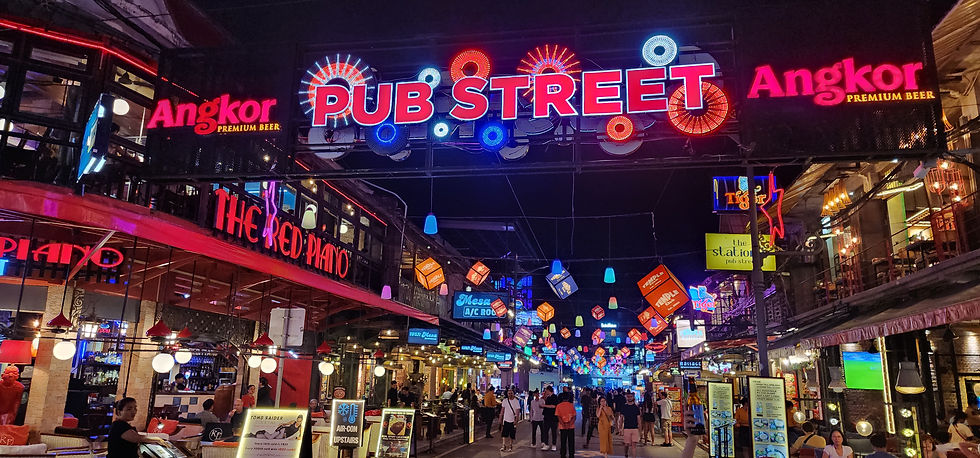
As temperatures begin to ease, night markets and street-food areas become lively gathering places. Try freshly prepared lort cha, grilled skewers, num pang, or other snacks before settling into a longer dinner. For a more refined experience, reserve an evening for a heritage restaurant or Khmer tasting menu.
9. Destination Loading's Culinary Field Notes
A few practical considerations can make Cambodia's culinary landscape easier to navigate.
Eat beyond tourist streets: Popular night markets are convenient, but neighborhood breakfast stalls and local restaurants often provide a broader introduction to everyday Khmer cooking.
Explore regional differences: Cambodia's coastal seafood, freshwater fish traditions, and urban culinary influences offer distinct experiences.
Ask about unfamiliar ingredients: Prahok, kroeung, and local herbs are central to understanding the flavors of traditional dishes.
Consider a cooking class early in your trip: Learning to identify key ingredients makes subsequent restaurant and market visits more rewarding.
Carry small-denomination riel: Smaller notes are particularly useful at local markets and food stalls.
Respect food photography etiquette: Ask before photographing vendors or their preparation areas, especially in smaller neighborhood markets.
Balance adventurous eating with sensible precautions: Sample unfamiliar dishes, but prioritize proper cooking temperatures, clean preparation practices, and reliable drinking water.
Final Thoughts: Discovering Cambodia Through Its Cuisine
Cambodian food tells a story far larger than the ingredients on a plate. It reflects the seasonal rhythms of Tonle Sap Lake, the agricultural abundance of the Mekong basin, the influence of centuries of regional trade, and the enduring traditions of families who have preserved recipes across generations.
From the pungent depth of prahok and the fragrant complexity of freshly pounded kroeung to the delicate preparation of fish amok and the smoky simplicity of charcoal-grilled pork, Khmer cuisine offers an extraordinary introduction to Cambodia's cultural identity.
For travelers willing to venture beyond familiar dishes and tourist-oriented menus, the rewards are considerable. A bowl of noodles at sunrise, a market vendor explaining an unfamiliar herb, or a shared meal in a family-run restaurant can reveal as much about Cambodia as its most celebrated monuments.
Plan smarter. Travel deeper.


Comments