Navigating Angkor Wat: Small Circuit vs. Grand Circuit

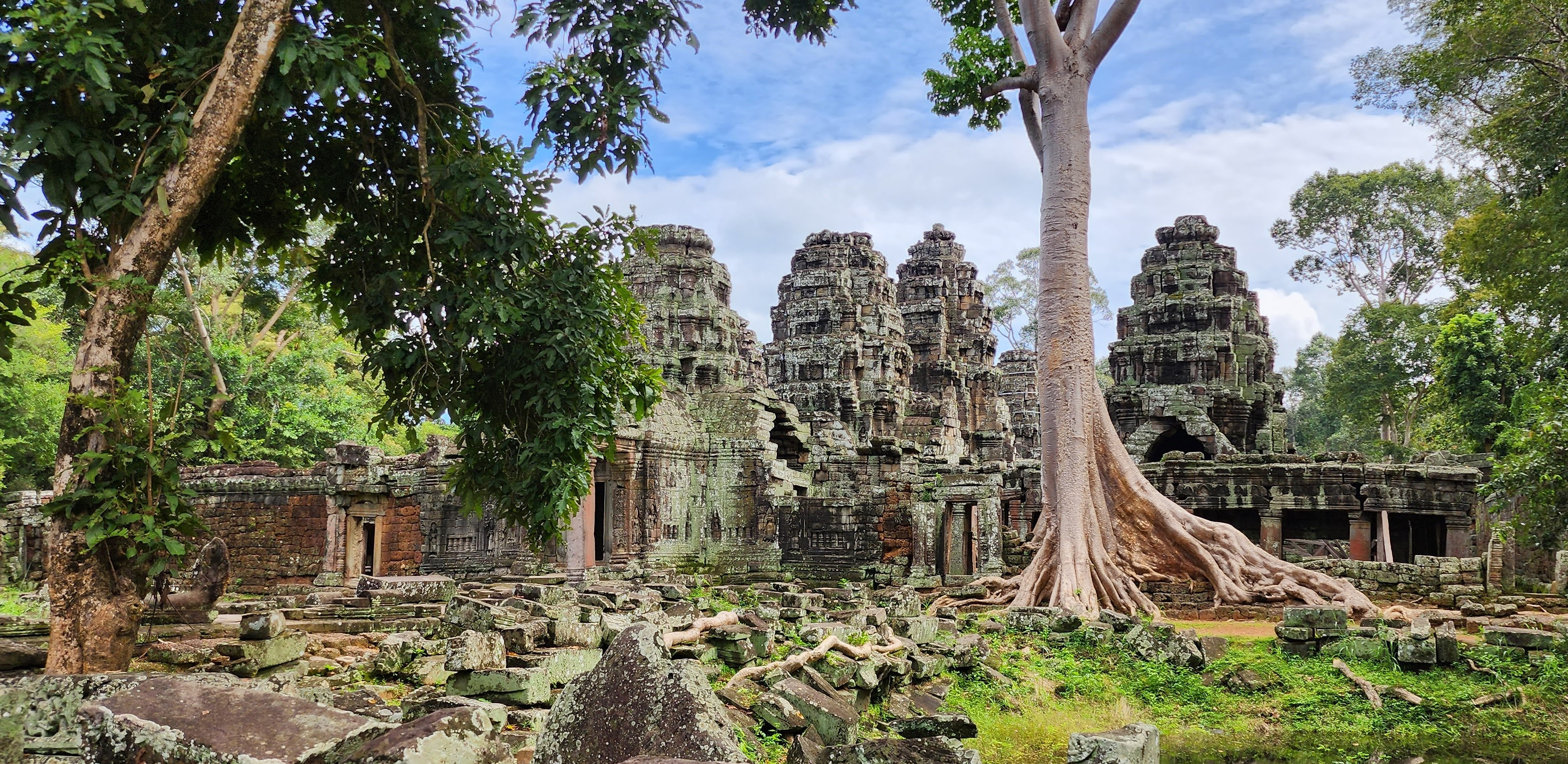
Exploring the monumental Angkor Archaeological Park in Siem Reap, Cambodia, can feel wonderfully overwhelming. Spanning over 400 square kilometers, the complex houses hundreds of ancient Khmer temples and shrines, intermixed with serene reservoirs and wild jungle. To help travelers navigate this massive historic site, two standard, field-tested routes exist: the Small Circuit (Small Loop) and the Grand Circuit (Big Loop).
Whether you have two days or a week in Siem Reap, understanding how these loops work—and where to escape the crowds—is essential for an unforgettable trip.
Circuit Comparison Overview
Route | Distance | Best For | Signature Highlights |
Small Circuit | ~17 km | 1st-time visitors, iconic highlights | Angkor Wat, Bayon, Ta Prohm |
Grand Circuit | ~26 km | Wider landscapes, fewer crowds | Preah Khan, Neak Poan, Pre Rup |
Outer Gems | 25–60 km | Intricate art, raw jungle exploration | Banteay Srei, Beng Mealea |
1. The Small Circuit (Small Loop): The Crown Jewels (~17 km)
If you only have one or two days in Siem Reap, the Small Circuit is your core route. It covers the iconic highlights that make Angkor world-famous.
Highlights & Key Temples
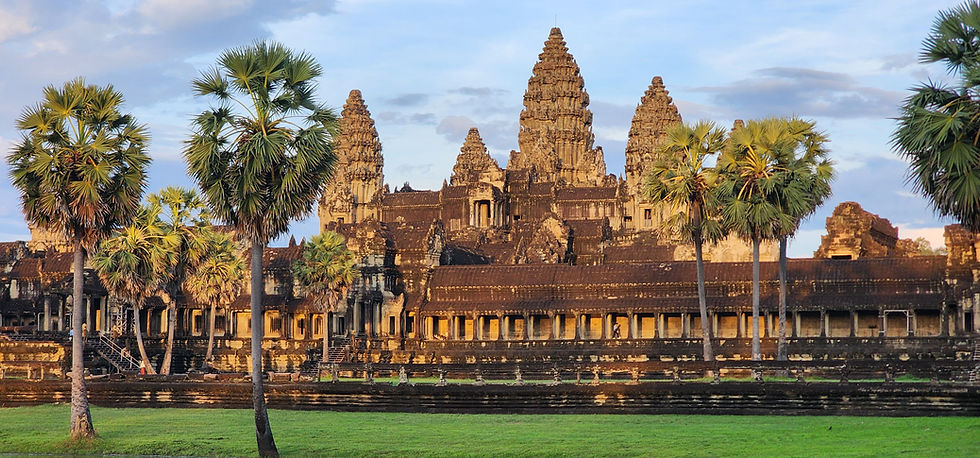
Angkor Wat: The world's largest religious monument. Known for its iconic lotus towers, intricate bas-relief galleried walls depicting Hindu mythologies, and reflecting pools perfect for sunrise views.
Bayon Temple (Angkor Thom): Located at the heart of the ancient royal city of Angkor Thom, famous for its close to 54 towers adorned with over 200 serene, smiling stone faces of Avalokiteshvara/King Jayavarman VII.
Ta Prohm: The celebrated "Tomb Raider" temple, left partially unrestored. Massive strangler fig, and banyan tree roots envelop ancient moss-covered stone doorways and corridor arches.
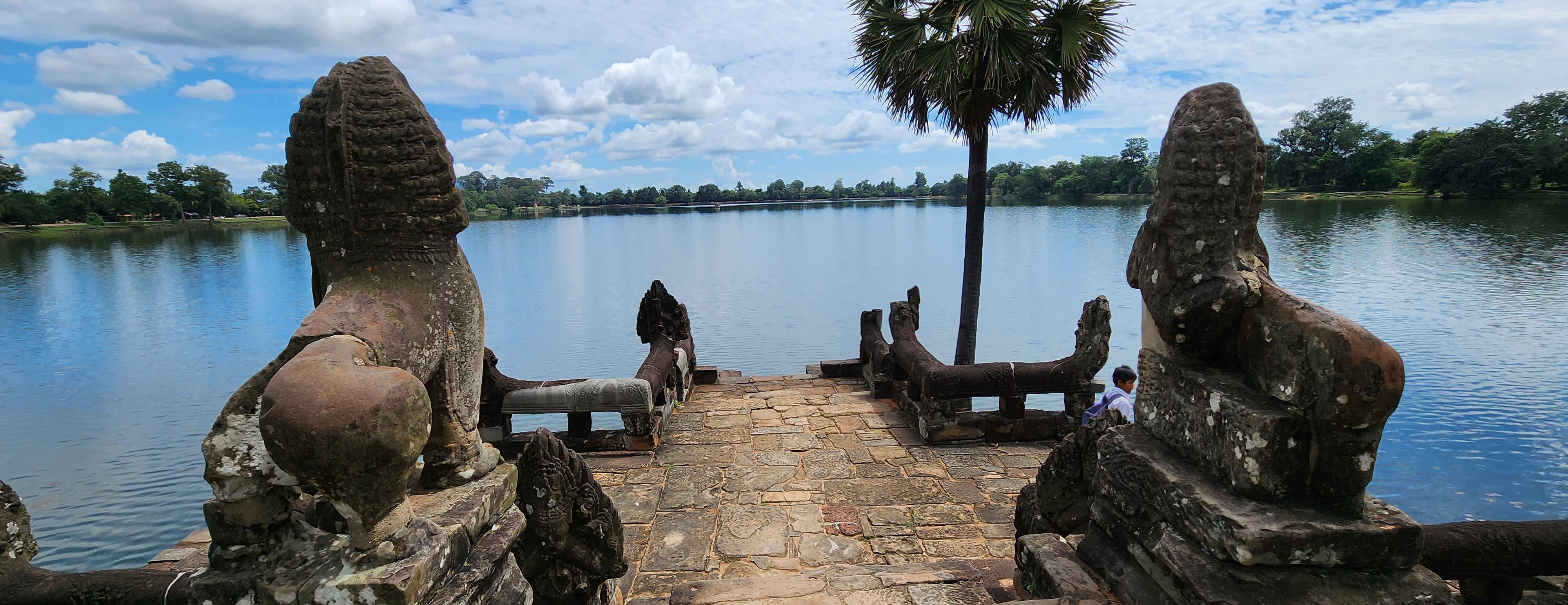
Banteay Kdei & Srah Srang: A quiet Buddhist monastery complex paired with the peaceful "Royal Bath" reservoir, ideal for quiet morning reflections.
2. The Grand Circuit (Big Loop): Broader Horizons (~26 km)
The Grand Circuit extends northeast past the core monuments, offering wider landscapes, water-bound temples, and expansive architectural structures. It is ideal for Day 2 or Day 3 of your temple pass.
Highlights & Key Temples
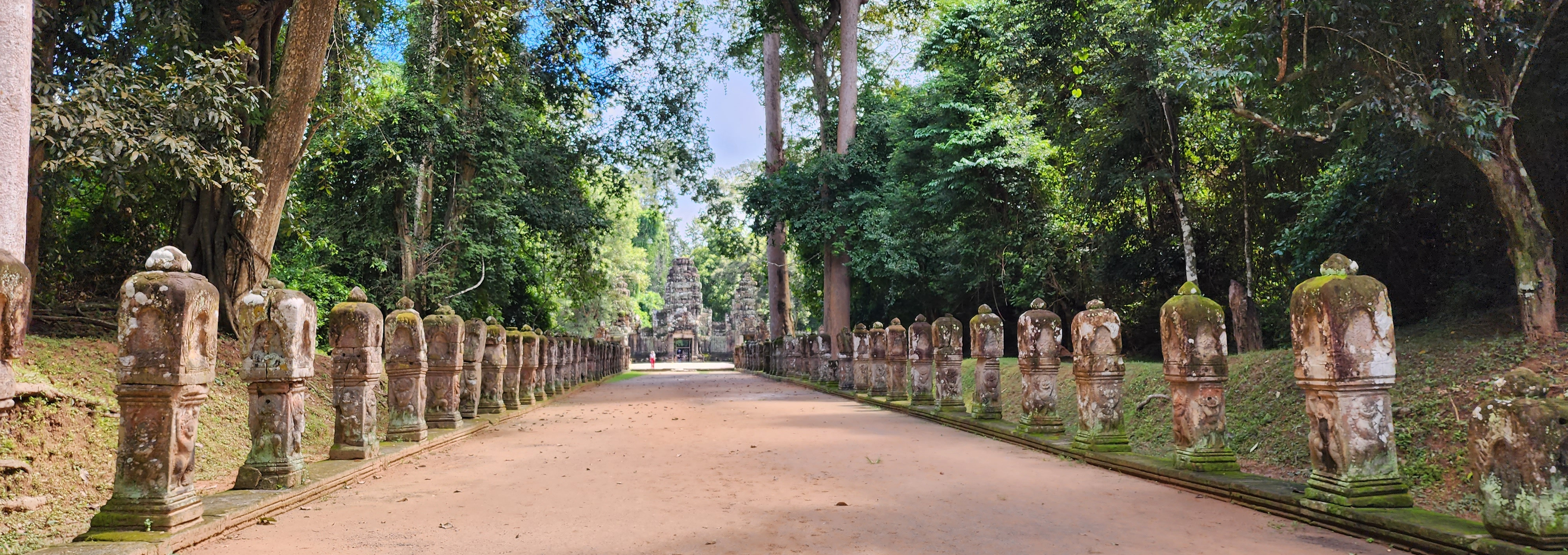
Preah Khan: A grand 12th-century monastic complex featuring long, cavernous hallways, intricate carvings, and towering trees similar to Ta Prohm, but with far fewer tour groups.
Neak Poan: An island temple situated in the middle of the Jayatataka Baray (reservoir), accessed via a long wooden boardwalk across tranquil waters.
Ta Som: A charming, compact temple famous for its eastern gopura (gatehouse), which is dramatically completely swallowed by a massive sacred fig tree.
Pre Rup: A towering mountain-temple made of warm red brick and laterite stone, offering panoramic canopy views and a popular alternative for sunset watching.
East Mebon: Situated on a former artificial island in the now-dry East Baray, guarded by remarkably preserved, life-sized stone elephant sculptures at its corners.
3. Off-the-Beaten-Path & Better-Preserved Alternatives
To truly experience the magic of the Khmer Empire without battling crowds, extend your route slightly beyond the standard circuit loops.
Exceptional Hidden Gems & Preserved Treasures
Banteay Srei (The Jewel of Khmer Art): Located approximately 25 km north of the main park, this 10th-century Hindu temple is built from pink sandstone. It features the finest, most intricate wall carvings in all of Cambodia, preserved in breathtaking detail.
Beng Mealea (The Unrestored Jungle Temple): Situated about 60 km east of Siem Reap, Beng Mealea offers a raw, Indiana Jones-style atmosphere where collapsed stone galleries and climbing vines remain relatively untouched.
Ta Keo (The Unfinished Sandstone Giant): A monumental, unfinished temple-mountain distinguished by its steep sandstone terraces and unusually sparse decoration. Its incomplete carvings offer a fascinating glimpse into Khmer construction techniques. Said to have been struck by lightning during construction, it was left plain, showcasing the raw architectural geometry of Khmer engineering.
Prasat Chau Say Tevoda & Thommanon: Located just outside the Victory Gate of Angkor Thom, these twin temples are elegantly restored and often completely empty during midday hours.
Pro-Tips for Circuit Planning
Crowd Triage: Visit high-traffic sites (Angkor Wat & Ta Prohm) at dawn (6:30 AM–7:00 AM) to beat the heat and tour buses.
Transportation: Rent an auto-rickshaw (remork/tuk-tuk) via PassApp or Grab for seamless transit between circuit stops.
Dress & Etiquette: Shoulders and knees MUST be covered for entry into sacred temple upper tiers (scarves over tank tops are rejected at checkpoints). Keep crisp USD bills or local Riel for entry passes and refreshments.
4. Practical Logistics & Field Essentials
The Angkor Pass Breakdown
1-Day Pass ($37 USD): Best for travelers with a tight schedule focusing strictly on the Small Circuit highlights.
3-Day Pass ($62 USD): The recommended sweet spot. Allows you to comfortably cover both circuits plus outer temples like Banteay Srei over up to 7 days.
7-Day Pass ($72 USD): Ideal for photographers, history enthusiasts, or slow travelers spending a month in Siem Reap (valid over 30 days).
The "5:00 PM Ticket Opportunity": If you purchase your pass at the official ticket center or online after 4:45 PM, it is valid for immediate sunset entry on that day without counting against your pass days, plus full entry the following day.
Getting Around: Transport Options Compared
Auto-Rickshaw / Tuk-Tuk (Remork): The classic, open-air way to explore (~$15–$25 USD/day). Ideal for catching breeze between temples. Drivers often provide bottled water and cold towels.
Private Air-Conditioned Car/SUV: Highly recommended during peak hot season (March–May) or monsoon season (May–October) for reliable climate control between long temple walks (~$35–$50 USD/day).
Bicycles & E-Bikes: An active option for budget travelers staying close to Central Angkor, though high tropical heat and humidity require heavy hydration.
5. Temple Etiquette & Sacred Rules of Conduct
Strict Dress Code (Upper & Lower Body Coverage): Shoulders and knees MUST be covered to enter sacred zones (including the upper Bakan tier of Angkor Wat and Phnom Bakheng). Light scarves or shawls wrapped around tank tops are frequently rejected at checkpoints—wear short-sleeved shirts/blouses and pants or long skirts.
Respecting Monastic Customs: Sacred saffron-robed monks reside and practice within temple grounds. Always show respect, refrain from taking close-up photos without asking, and avoid physical contact (women must never touch or hand items directly to male monks).
Sturdy Footwear Protocol: Wear closed-toe walking shoes or trail sandals with reliable grip. Ancient stone staircases are steep, narrow, and weathered.
6. Beat the Crowds & Best Photography Times
Sunrise Strategy: For the classic Angkor Wat lotus reflection photo, arrive at the main pond by 5:15 AM. Please note this is incredibly popular with professional photographers and you will likely encounter a crowd regardless of the early timing. For a quieter sunrise with far fewer crowds, consider Pre Rup or the Srah Srang reservoir overlook.
The "Reverse Route" Hack: Most tour buses follow a clockwise path through the Small Circuit. Reversing the route (starting at Ta Prohm at 7:30 AM and reaching Bayon or Angkor Wat around midday) lets you explore major sites while groups are back at hotels for lunch. This is my recommendation!
Sunset Panoramas: Phnom Bakheng offers famous elevated sunset views, but capacity is capped at 300 people on top—queue by 4:00 PM. Alternatively, climb Pre Rup for rich golden-hour photography over surrounding jungle canopies.
7. Siem Reap Base Camp & Cultural Extensions
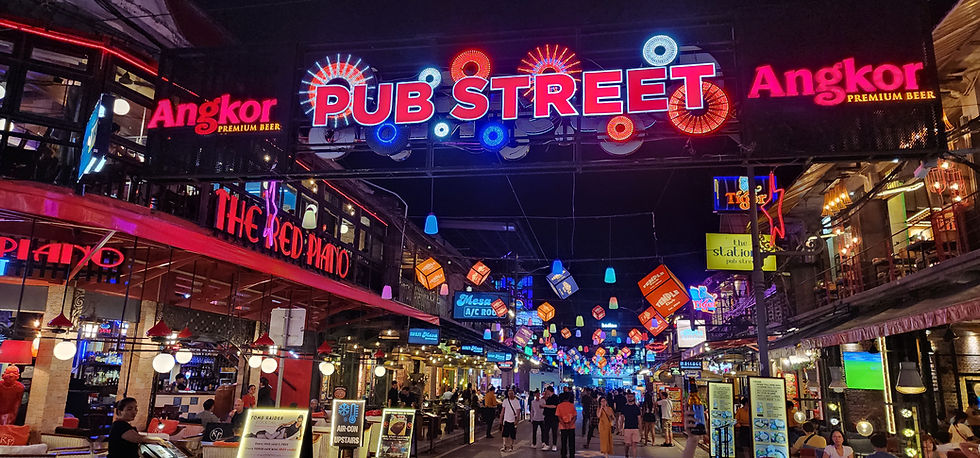
Evening Unwinding: After long dusty days at the ruins, recharge along the Siem Reap River or explore the vibrant food and night market scenes along Pub Street and the Siem Reap Art Center Night Market.
Beyond the Temples: Pair your archaeological exploration with a half-day boat journey across Tonle Sap Lake (exploring floating villages like Kampong Phluk) or attend an Apsara dance performance to see ancient Khmer court dances brought to life.

And For the Caffeinated, Intrepid, and Willing-to-Keep-Going Traveler
For travelers who want to maximize every single hour, skip the standard tourist cadence, and push through high-efficiency, multi-stop itineraries, these custom-curated master routes pack maximum temple exploration into comprehensive day routes.
Note: These routes demand preemptive, planning, disciplined timing, early starts, and reliable private tuk-tuk or driver coordination.
The Master Marathon Routes
Route A: The High-Efficiency Eastern & Central Sweep
A seamless, action-packed circuit starting through eastern reservoirs and ancient gates, winding through central jungle ruins, and finishing at the royal heart of Angkor Thom.
Morning Temple Run:
Nokor Thum
Banteay Kdei
Srah Srang (Overlook)
Pre Rup
East Baray
Ta Prohm ("Tomb Raider" jungle ruins)
Prasat Ta Keo
Prasat Chau Say Tevoda & Thommanon
Victory Gate
Terrace of Elephants
Bayon Temple (Angkor Thom)
Midday & Evening:
Midday Lunch break
Late Afternoon Hotel Recovery & Shower
Dinner & Drinks on Pub Street
Route B: The Grand Northern & Outlying Deep Dive
A comprehensive push linking the iconic Angkor Wat main complex with grand northern water structures and the pink sandstone masterpieces further afield.
Morning & Afternoon Circuit:
Angkor Wat Main Temple (Dawn / Early Morning)
Preah Khan
Neak Poan (Island reservoir pagoda)
Preak Dak
Banteay Srei (The jewel of pink sandstone carving)
Midday & Evening:
Midday Lunch break
Hotel Recovery
Evening Street Food & Shopping at the Night Market
Packing Essentials (Don't Forget!)
When tackling these adventurous days, keep your daypack prepared with:
Refillable water bottle & oral rehydration electrolytes
Sunscreen & UV protection (wide-brim hat, visor, or sun shirt)
Sunglasses & mobile cooling fan
Lightweight rain poncho & wet wipes
Cambodia is a destination that rewards the well-prepared traveler. Staying cool and hydrated in the tropical humidity will go a long way toward making your temple exploration seamless, comfortable, and truly unforgettable!
Plan smarter. Travel deeper.

Comments